What Happens If You Take Benadryl Before Bed Every Night, Doctors Say

Alexander Torres
Published Feb 23, 2026
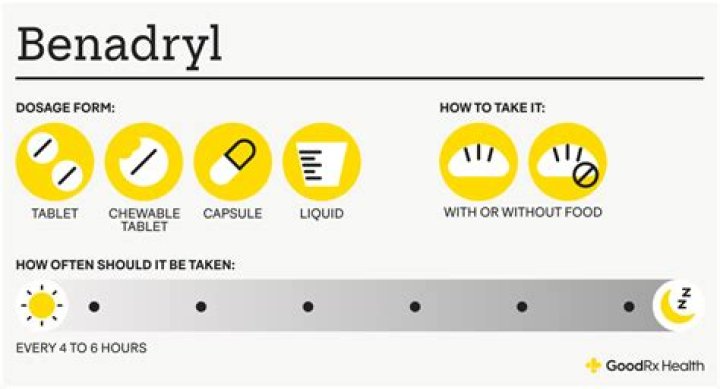
Benadryl is a common over-the-counter (OTC) antihistamine used to treat allergies, the common cold, hay fever, and itchy skin—but its active ingredient, diphenhydramine, is also known to cause drowsiness.
"Diphenhydramine blocks the effects of histamine in your brain and this reduces symptoms. It enters the brain in large quantities and this can make you feel drowsy," explains the U.K.'s National Health Services (NHS). "Diphenhydramine also blocks the effects of another chemical called acetylcholine," a neurotransmitter that excites the brain's nerve cells.
Because of this, some people use Benadryl as an off-label sleep aid. However, many experts caution against using antihistamines to help you fall asleep, especially on a nightly basis. Read on to learn what happens if you take Benadryl before bed every night—including some serious side effects that could put you in harm's way.
READ THIS NEXT: This Common Daily Medication May Become Harder to Find, Makers Say.
You may be drowsy during the day.
Benadryl does indeed make you sleepy, but using it as a sleep aid may not go exactly as planned. According to James Walker, MD, a physician and contracted medical advisor for Welzo, that's because Benadryl causes "significant sedation and drowsiness, which may persist into the following day. This can interfere with daily activities."
It's especially important to avoid driving or operating heavy machinery while taking Benadryl, adds Poison Control. "Benadryl can impair your hand-eye coordination and reaction time due to sleepiness," making serious accidents more likely, their experts warn.
READ THIS NEXT: Thyroid Medication Recalled, FDA Says in New Warning.
You may be at greater risk of dementia.
Another potential side effect of taking Benadryl on a nightly basis is that it can lead to cognitive decline. In fact, a 2015 report published in the journal JAMA Internal Medicine concluded that people who took Benadryl or a similar anticholinergic medication for three years or more had a 54 percent higher dementia risk, compared with those taking the medication for three months or less.
"Benadryl can impair cognitive function, including memory and attention. It can lead to difficulty concentrating and performing tasks that require mental alertness," warns Walker.
You may increase your fall risk.
If you take Benadryl every night as a sleep aid, you may also be at higher risk of falling. "Benadryl can affect balance and coordination, making individuals more prone to falls, especially in older adults. This risk is further increased when combined with other sedating substances like alcohol," says Walker.
In fact, Harvard Medical School listed Benadryl as one of the medications most likely to raise your fall risk. "Medications that suppress the central nervous system are among those most likely to contribute to falling, as they reduce alertness and cause slower reactions and movements," their experts explain.
You may experience urinary retention.
Prolonged use of Benadryl is also known to cause certain bladder problems, Walker warns. In particular, he says this type of antihistamine can cause urinary retention, which makes it difficult to empty the bladder completely. "This can be especially concerning for individuals with pre-existing urinary issues or prostate enlargement," he tells Best Life.
For more health news sent directly to your inbox, sign up for our daily newsletter.
You may develop a drug interaction.
Finally, using Benadryl as a nightly sleep aid can cause harm to your health if you take certain other medications. Specifically, Walker notes that Benadryl may interact dangerously with sedatives, tranquilizers, and certain antidepressants. "These interactions can intensify the sedative effects and increase the risk of adverse reactions," he says.
Instead of opting for a nightly Benadryl, Walker suggests speaking with your doctor to determine what's causing your insomnia. "It is crucial to remember that the use of Benadryl or any other medication for sleep aid should be temporary and under the guidance of a healthcare professional," he says. "Chronic insomnia or persistent sleep difficulties should be evaluated by a healthcare provider to identify and address any underlying causes or conditions."
Best Life offers the most up-to-date information from top experts, new research, and health agencies, but our content is not meant to be a substitute for professional guidance. When it comes to the medication you're taking or any other health questions you have, always consult your healthcare provider directly.
Lauren Gray Lauren Gray is a New York-based writer, editor, and consultant.Read moreFiled UnderHealth Advice • Health Facts • MedicineSources referenced in this article- Source:
- Source:
- Source:
What Happens If You Take Allergy Meds Daily
Plus, how to stop taking them—without the withdrawal symptoms.May 12, 2023Officials Warn About Migraine Medication Recall
This prescription drug currently poses a poisoning risk.March 16, 2023Everything You Need to Know About Ikigai, The New Hygge
Meet the next "life philosophy" trend sweeping the globe.October 17, 201730 Life Changes You Should Make After 30
You're too old to skip those doctors visits.February 20, 2018This Is Why Lying Is Good for You
A little fib never hurt anyone—in fact, lying may be good for you.March 26, 2018How I Look 15 Years Younger—And How You Can, Too
The plan is easy, effective, and works for everyone.August 30, 2018The Secret to Raising Healthy Kids
Hint: It's one of the oldest family traditions in the book. December 15, 201740 Genius Ways to Have More Energy After 40
Revamp your diet, lifestyle, and work habits for more energy—instantly.August 14, 201820 Surprising Reasons Your Hair is Thinning
Plus proven tricks to get your mane back on track.May 15, 2018The 7 Best Luxury Fitness Vacations
Thinking outside the beach? Try one of these amazing getaways.February 19, 2018