6 Reasons You're Experiencing Brain Fog, According to Doctors

Ava White
Published Feb 22, 2026
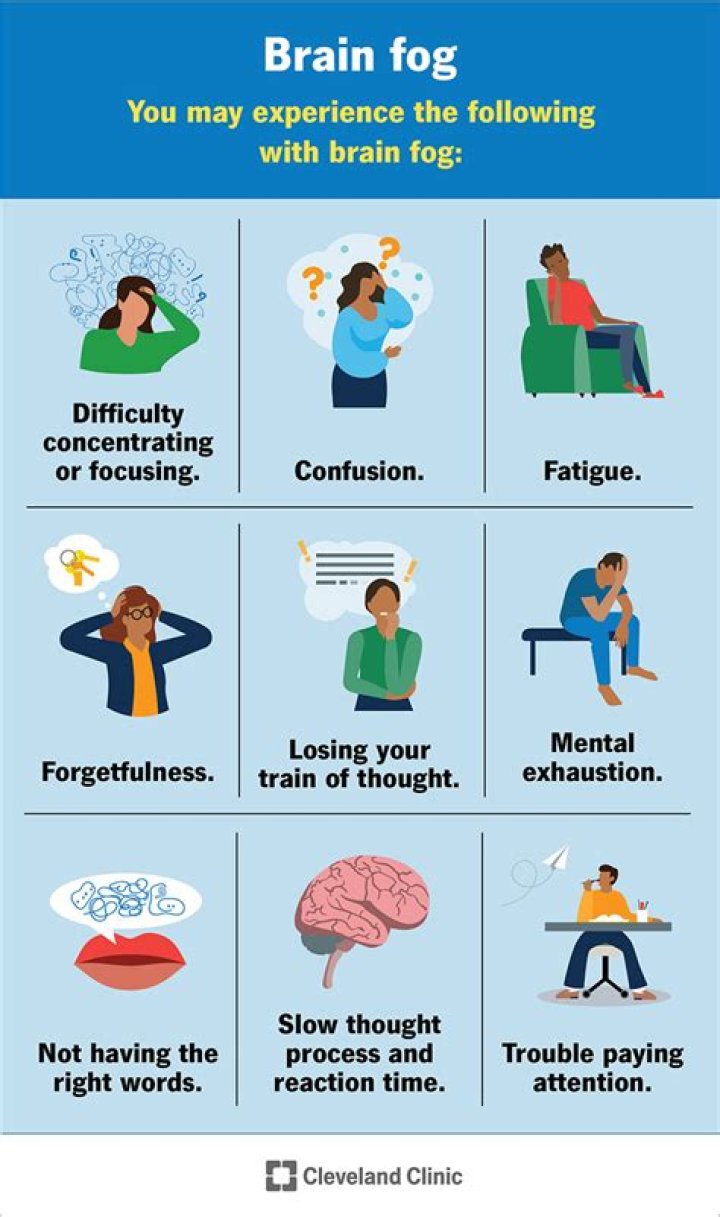
Everyone experiences "brain fog" from time to time—that feeling of confusion, forgetfulness, or lack of mental clarity that makes you feel decidedly not yourself. "People use the term 'brain fog' to describe non-specific cognitive complaints which include feelings of being slow, having word finding problems, being forgetful, or having memory loss. These types of cognitive complaints are usually not concerning," explains Clifford Segil, DO, a neurologist at Providence Saint John's Health Center in Santa Monica, California.
However, if you experience brain fog often—and especially if it's begun interfering with your day-to-day life—you may be wondering what's behind the feeling, and whether you can do anything to stop it. That's why we reached out to medical professionals to find out what's often to blame for brain fog, and how to known if it's a sign of something more serious. Read on to learn six reasons you may be experiencing brain fog, and to find out how to get your mental focus back.
READ THIS NEXT: 4 Common Medications That Spike Your Dementia Risk, According to a Pharmacist.
1 Your diet is lacking.
Many cases of brain fog can be explained by what you eat, experts say—especially if your diet is high in processed foods, sugar, and saturated fats. "These foods can cause inflammation in the body, including the brain, which can impair cognitive function," says Suzanne Manzi, MD, a doctor and co-founder at Performance Pain & Sports Medicine. Eating a healthy, whole-foods based diet that includes fruits, vegetables, whole grains, healthy fats, and lean proteins may help improve your symptoms.
Nancy Mitchell, RN, a contributing writer at Assisted Living, agrees that poor nutrition is, in fact, "one of the most common causes of brain fog. If you're not consuming adequate amounts of each nutrient, your brain won't receive the nourishment it needs to continuously process thoughts, events, and emotions," she says.
Mitchell adds that for some people, brain fog can be the result of particular food sensitivities. "Gluten is a popular culprit here," she tells Best Life. "Persons with Celiac disease or severe gluten intolerance experience damage to the lining of their gut whenever they consume this protein. When the gut is damaged, it impairs your body's ability to absorb nutrients that fuel your cognition. So, again, it all comes back to the importance of proper nutrition."
READ THIS NEXT: The "Crazy" Way Mark Ruffalo Discovered He Had a Brain Tumor.
2 You're not getting enough sleep.
We all know the feeling of waking up after a poor night's sleep: You feel groggy, disoriented, and unfocused. For people who regularly get too little sleep, that feeling can persist on a daily basis.
"Lack of sleep can cause fatigue, irritability, and brain fog," explains Manzi. "Sleep deprivation impairs cognitive function and decreases attention span, memory, and decision-making ability. Patients should try to establish a regular sleep schedule, avoid stimulating activities before bedtime, and make sure their sleeping environment is comfortable and conducive to sleep," she advises.
3 You're dehydrated.
Drinking plenty of water throughout the day is critical to your health. According to the Mayo Clinic, staying adequately hydrated helps regulate body temperature, protects your organs and tissues, carries nutrients and oxygen to your cells, and more.
But there's another way that your water intake impacts your body, says Manzi. "Dehydration can lead to a decrease in blood flow to the brain, which can cause brain fog," she explains. She urges patients to make sure they drink enough water throughout the day—about 15.5 cups a day for men and 11.5 cups a day for women—especially during hot weather or when engaging in physical activity.
4 You're dealing with chronic stress.
Prolonged stress can also cause a feeling of mental fogginess, Manzi tells Best Life. "Chronic stress can cause hormonal imbalances that can contribute to brain fog. Stress also impairs sleep and can lead to anxiety and depression, which can also cause brain fog," she says.
If stress is to blame, several simple interventions may help improve your symptoms. "To address this factor, patients should practice stress management techniques such as meditation, deep breathing, and exercise," Manzi suggests.
For more health news sent directly to your inbox, sign up for our daily newsletter.
5 You've got an underlying health condition.
Rarely, brain fog can indicate that something more serious is going on with your health. "Underlying health conditions such as chronic fatigue syndrome, fibromyalgia, and autoimmune disorders can contribute to brain fog," says Manzi. Migraines, multiple sclerosis, cognitive decline, and certain viral infections including COVID-19 have also been linked to brain fog.
Segil adds that it's always important to discuss your symptoms with your doctor. "If patients are having non-specific cognitive complaints, memory loss, or brain fog they should present to the general doctor. The first step is to look for reversible metabolic causes like abnormal thyroid function. Diabetes with poorly controlled blood glucose levels can also cause cognitive issue," he explains.
6 Your medication is causing side effects.
All medication can come with side effects, and it's important to discuss them with your doctor to weigh the risks and benefits of anything you've been prescribed. Manzi notes that many medications can leave you feeling foggy, and you should tell your doctor if this occurs.
"Certain medications, such as antihistamines, sleeping pills, and muscle relaxants, can cause brain fog as a side effect," she tells Best Life. By communicating openly about your medications with your doctor and pharmacist, you may be able to explore alternative options if necessary.
Best Life offers the most up-to-date information from top experts, new research, and health agencies, but our content is not meant to be a substitute for professional guidance. When it comes to the medication you're taking or any other health questions you have, always consult your healthcare provider directly.
Lauren Gray Lauren Gray is a New York-based writer, editor, and consultant.Read moreFiled UnderBrain Health • Health Advice • Health Facts • Your BrainSources referenced in this article- Source:
5 Easy Health Hacks That Actually Work
Boost your physical and mental health with these simple tips.April 30, 202350 Subtle Symptoms You Should Never Ignore
Your symptoms may be silent, but that doesn't mean you should be.April 26, 202330 Incredible Health Benefits of Coffee
Your daily cup of joe is even better for you than you thought.April 4, 2023Everything You Need to Know About Ikigai, The New Hygge
Meet the next "life philosophy" trend sweeping the globe.October 17, 201730 Life Changes You Should Make After 30
You're too old to skip those doctors visits.February 20, 2018This Is Why Lying Is Good for You
A little fib never hurt anyone—in fact, lying may be good for you.March 26, 2018How I Look 15 Years Younger—And How You Can, Too
The plan is easy, effective, and works for everyone.August 30, 2018The Secret to Raising Healthy Kids
Hint: It's one of the oldest family traditions in the book. December 15, 201740 Genius Ways to Have More Energy After 40
Revamp your diet, lifestyle, and work habits for more energy—instantly.August 14, 201820 Surprising Reasons Your Hair is Thinning
Plus proven tricks to get your mane back on track.May 15, 2018